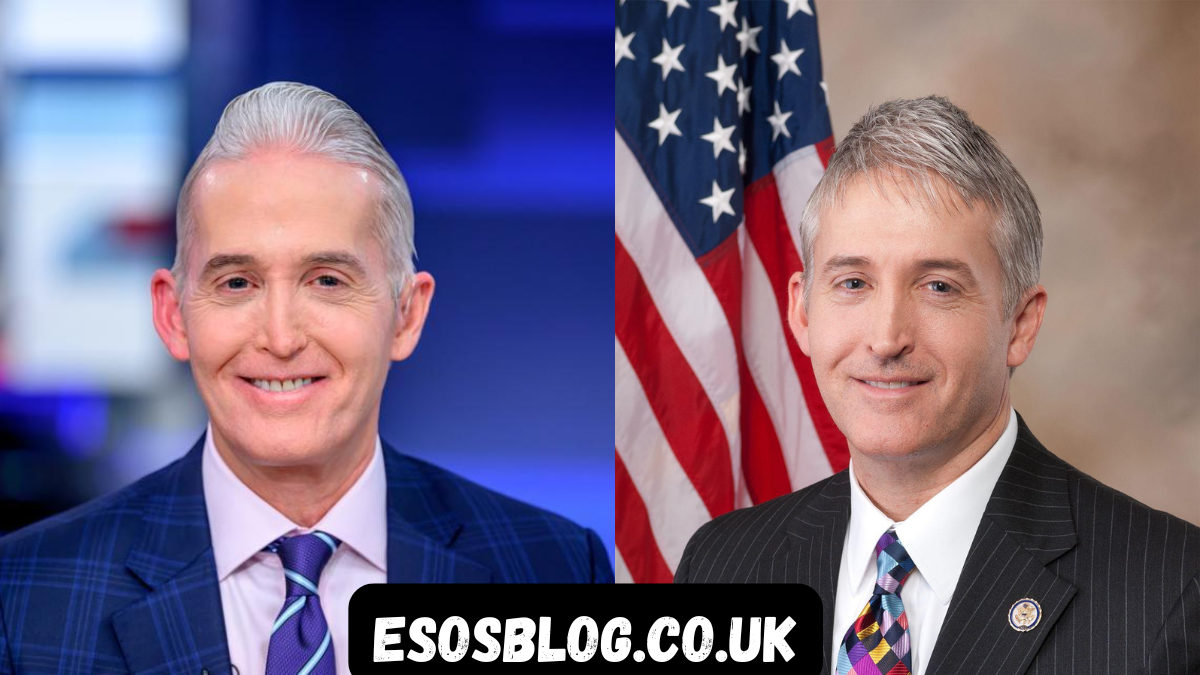
Trey Gowdy is one of the most recognizable figures in modern American politics, known for his sharp questioning style, legal background, and strong Trey Gowdy presence during congressional hearings. Over the years, he built a reputation as a disciplined prosecutor, a principled legislator, and a respected television commentator. His journey from a small-town lawyer Trey Gowdy to a nationally known political figure reflects dedication, discipline, and a deep commitment to public service.
This article explores Trey Gowdy’s early life, legal career, political rise, leadership style, key controversies, and lasting influence on American politics.
Early Life and Background
Harold Watson “Trey” Gowdy III was born on August 22, 1964, in Greenville, South Carolina. He grew up in Spartanburg, a small community that shaped his conservative values and strong work ethic. His father worked as a doctor, and his mother served Trey Gowdy as a teacher, providing Gowdy with a stable and disciplined upbringing.
Growing up in South Carolina, Gowdy learned the importance of community, responsibility, and faith. These early influences would later shape Trey Gowdy his political ideology and approach to governance. He attended Spartanburg High School, where he developed leadership skills and a passion for public speaking.
Gowdy later attended Baylor University in Texas, where he earned a degree in history. After completing his undergraduate studies, he returned to South Carolina to attend the University of South Carolina School of Law. During law school, he Trey Gowdy developed a strong interest in criminal law and courtroom litigation, which would later define his professional career.
Legal Career and Rise as a Prosecutor
After graduating from law school, Trey Gowdy began his legal career as a clerk for a federal judge. This experience allowed him to learn the inner workings of the judicial system and sharpen his analytical skills.
He later became an Assistant U.S. Attorney, where he prosecuted federal crimes including drug trafficking, bank robbery, and murder cases. Trey Gowdy recognition for his meticulous preparation and effective courtroom presence.
Eventually, Gowdy was elected as Solicitor for South Carolina’s Seventh Judicial Circuit, serving from 2000 to 2010. During his tenure, he handled high-profile criminal cases and developed a reputation as a tough but fair prosecutor. His focus on justice, Trey Gowdy discipline, and accountability made him popular among voters.
Gowdy’s success as a prosecutor laid the foundation for his future political career. His courtroom experience would later become a defining element of his congressional leadership style.
Entry into Politics
In 2010, Trey Gowdy ran for Congress as a Republican candidate for South Carolina’s Fourth Congressional District. His campaign emphasized conservative values, fiscal responsibility, and constitutional principles.
Gowdy’s legal background and reputation for integrity helped him win the election. Once in Congress, he quickly gained attention for his articulate Trey Gowdy speeches and strong questioning during committee hearings.
He served in the U.S. House of Representatives from 2011 to 2019. During this time, he became one of the most influential Republican voices on oversight and investigative committees.
Congressional Leadership and Committee Roles
Trey Gowdy served on several important congressional committees, including:
- House Judiciary Committee
- House Oversight Committee
- House Intelligence Committee
His work on these committees allowed him to investigate major national issues, including government accountability, law enforcement practices, and national security matters.
Gowdy later became Chairman of the House Oversight Committee, one of the most powerful investigative bodies in Congress. As chairman, he focused Trey Gowdy on transparency, accountability, and adherence to the rule of law.
His leadership style was often described as calm, methodical, and legally precise. Gowdy approached hearings like courtroom proceedings, asking detailed questions and carefully analyzing testimony.
Benghazi Committee Leadership
One of Trey Gowdy’s most high-profile roles came when he was appointed chairman of the House Select Committee on Benghazi. The committee investigated the 2012 attack on the U.S. diplomatic compound in Benghazi, Libya.
Gowdy spent years leading the investigation, conducting hearings and interviewing witnesses. His questioning style gained national attention, and he became widely known for his legal precision and calm demeanor.
The Benghazi investigation became politically controversial, drawing both praise and criticism. Supporters argued Gowdy was seeking truth and Trey Gowdy accountability, while critics claimed the investigation was politically motivated.
Despite the controversy, Gowdy maintained that his focus was on facts and evidence rather than political outcomes.
Reputation as a Skilled Questioner
Trey Gowdy became known for his exceptional questioning skills during congressional hearings. His legal training allowed him to break down complex issues into clear and concise questions.
Observers often compared his approach to that of a courtroom prosecutor. He avoided emotional arguments and focused on logical reasoning and factual analysis.
His calm tone and disciplined questioning style made him one of the most respected interrogators in Congress. Even political opponents acknowledged his professionalism during hearings.
Gowdy’s questioning style helped elevate his national profile and made him a frequent guest on television news programs.
Decision Not to Seek Re-Election
In 2018, Trey Gowdy surprised many political observers by announcing he would not seek re-election. He stated that he missed practicing law and believed he could contribute more outside of Congress.
Gowdy emphasized that he never intended to make politics a lifelong career. Instead, he viewed public service as a temporary opportunity to make a difference.
His decision drew praise from supporters who admired his willingness to step away from power voluntarily. Many noted that Gowdy’s departure reflected his commitment to principles rather than political ambition.
Return to Legal and Media Career
After leaving Congress in 2019, Trey Gowdy returned to legal practice. He joined a law firm and resumed litigation work, returning to the profession where he first built his reputation.
Gowdy also became a television commentator, offering legal and political analysis. His calm demeanor and legal expertise made him a valuable contributor to political discussions.
He later hosted his own television show, where he discussed legal issues, political developments, and constitutional principles. His media presence allowed him to remain influential in public discourse.
Political Philosophy and Core Beliefs
Trey Gowdy’s political philosophy centers on constitutional principles, limited government, and accountability. He frequently emphasized the importance of the rule of law and equal application of justice.
Gowdy also advocated for transparency in government operations. He believed oversight was essential to maintaining public trust.
Throughout his career, Gowdy often focused on:
- Constitutional interpretation
- Law enforcement accountability
- Government transparency
- Fiscal responsibility
His legal background influenced his belief that laws should be applied consistently and fairly.
Communication Style and Public Speaking
Trey Gowdy is widely known for his clear and thoughtful communication style. Unlike many politicians, he often avoided partisan rhetoric and focused on logical reasoning.
His speeches frequently included legal arguments and references to constitutional principles. This approach helped him connect with audiences seeking thoughtful analysis rather than emotional debate.
Gowdy’s speaking style also made him popular among students and professionals interested in law and politics.
Public Perception and Popularity
Trey Gowdy developed a loyal following among supporters who admired his professionalism and calm demeanor. Many viewed him as a principled leader who prioritized justice over politics.
However, like many political figures, Gowdy also faced criticism. Some opponents believed his investigations were politically motivated, while others disagreed with his policy positions.
Despite differing opinions, Gowdy remained widely respected for his professionalism and legal expertise.
Influence on Modern Political Discourse
Trey Gowdy’s influence extends beyond his time in Congress. His questioning style and focus on legal reasoning influenced how congressional hearings are conducted.
Many younger politicians and legal professionals cite Gowdy as an example of disciplined leadership and effective communication.
His emphasis on rule of law and accountability continues to shape discussions about government oversight.
Life Outside Politics
Outside of politics, Trey Gowdy is known for his private and disciplined lifestyle. He values family life and often emphasizes the importance of maintaining balance between career and personal responsibilities.
Gowdy is also involved in mentoring young professionals and law students. He frequently speaks about leadership, ethics, and public service.
His life outside politics reflects the same values he promoted during his congressional career.
Legacy and Lasting Impact
Trey Gowdy’s legacy is defined by his commitment to law, accountability, and disciplined leadership. His work in Congress, particularly in oversight and investigations, left a lasting mark on American politics.
His decision to leave Congress voluntarily also contributed to his reputation as a principled leader. Gowdy demonstrated that public service does not always require a lifelong political career.
Today, Trey Gowdy remains an influential voice in legal and political discussions. His experience, professionalism, and commitment to constitutional principles continue to shape public discourse.
Conclusion
Trey Gowdy’s journey from small-town South Carolina to national Trey Gowdy political prominence reflects dedication, discipline, and commitment to public service. As a prosecutor, congressman, and commentator, he built a reputation for integrity and thoughtful leadership.